
To Buy Zocor Online Visit Our Pharmacy ↓
 Zocor Vs Other Statins: Pros and Cons
Zocor Effectiveness Compared to Newer Statin Options
Across a crowded field of cholesterol medicines, simvastatin retains a well-earned role: it effectively lowers LDL at moderate doses and has decades of safety data. Newer agents often achieve larger LDL reductions and faster response — especially high-potency options — but real-world benefits depend on dose, adherence, and baseline risk. For many patients the older drug is adequate, while high-risk individuals may need more potent therapy to reach aggressive targets.
When choosing between established and modern statins clinicians weigh trial evidence, side effect profiles, and individual goals. Comparative studies show modest differences in cardiovascular outcomes when LDL reduction is matched, suggesting potency and achieved LDL matter more than brand alone. Cost, patient tolerance, interactions, genetic factors shape the decision. Shared decision making ensures selected medication balances effectiveness with safety and patient preference, aiming for measurable risk reduction rather than superiority.
| Metric | Older statin | Newer statin |
|---|---|---|
| Typical LDL reduction | Moderate | Higher |
| Evidence base | Long-term | Robust |
Side Effect Profiles: Muscle Pain, Liver Risks, Differences

I remember a patient describing persistent muscle aches after starting zocor; such myalgias are common and range from mild soreness to rare, serious rhabdomyolysis. Newer statins can lower that risk for some people, but individual response varies. Clinicians balance potency with tolerability when prescribing.
Routine liver enzyme monitoring used to be routine for all statins, but current guidance focuses on baseline checks and symptom-driven follow-up. Elevations occur but severe liver injury is uncommon. Some agents have different metabolic pathways, meaning drug interactions can amplify hepatic effects, so choice matters for patients with liver disease.
Discussing all risks openly helps patients weigh trade-offs; switching to a lower-dose or alternative statin often resolves symptoms. Lifestyle changes and shared decision-making reduce unnecessary discontinuation. Ultimately, personalized selection — considering age, comorbidities, and concurrent meds — optimizes safety and preserves cardiovascular benefit improves outcomes overall.
Drug Interactions and Safety: Common Medications to Avoid
When I first started zocor, my pharmacist warned me about a few routine prescriptions that can turn a safe regimen risky. I learned to review every new medication carefully.
Certain antibiotics (like clarithromycin), some antifungals, HIV protease inhibitors and grapefruit juice inhibit statin metabolism, raising blood levels and muscle damage risk.
Other drugs—gemfibrozil, cyclosporine and high‑dose niacin—also increase myopathy or liver strain, so timing and alternatives matter; your doctor can adjust doses or choose a different statin. Regular CK and liver tests help detect complications early.
Stay proactive: tell every clinician and pharmacist about zocor, watch for unexplained muscle pain or dark urine, and follow recommended blood tests to catch problems early and report promptly.
Cost, Availability, and Generic Advantages Explored
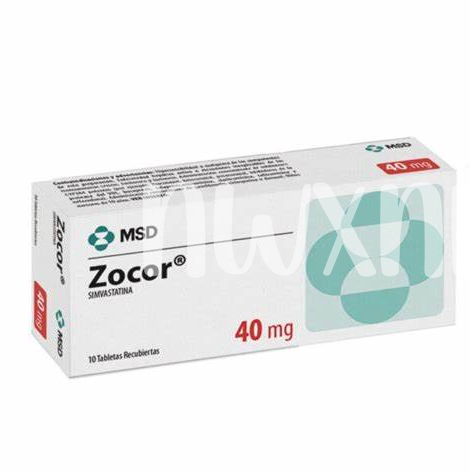
Imagine visiting a clinic and being offered the familiar option your parent used: zocor. Its longstanding presence means pharmacies across neighborhoods usually stock it, and many insurers list the generic first-line, smoothing access for patients on tight budgets.
The price gap between brand and generics can be dramatic; small monthly savings multiply into substantial annual relief. Generic simvastatin provides comparable efficacy for most patients, letting clinicians prioritize adherence and monitoring over drug novelty.
Even when newer statins offer advantages for specific risk profiles, the availability and low cost of older generics often make them the pragmatic first choice. Discuss insurance formularies and copays with your clinician to find the best balance and long-term overall savings.
Personalized Treatment: Choosing Statin by Patient Factors
When Mrs. Alvarez was prescribed zocor, she worried about side effects and lifestyle impacts; her clinician explained that age, liver and kidney health, pregnancy plans, and other meds shape the ideal statin choice. Personal history, intolerance episodes, and LDL targets guide whether a moderate or high-potency agent fits best.
Shared decision-making balances effectiveness with safety: genetic factors, comorbid diabetes, statin interactions, and adherence likelihood lead to tailored dosing, alternative agents, or combination therapy. Regular labs and symptom checks keep the plan flexible so treatment stays aligned with overall patient goals.
| Factor | Why it matters |
|---|---|
| Comorbidities | Influence risk and drug selection |
Practical Tips: Monitoring, Lifestyle, and Alternative Strategies
Imagine checking in with your body as if tending a garden: regular lipid panels, liver enzyme tests and occasional creatine kinase checks help track how well therapy is working and catch issues early. Keep a symptom diary—documenting muscle aches, fatigue or new dark urine—and report changes promptly. Medication adherence and scheduled follow‑ups create a safety net; don’t stop or alter doses without consulting your clinician.
Pair medication with a heart‑healthy routine: a Mediterranean-style diet, regular aerobic activity (about 150 minutes weekly), weight management, limited alcohol and smoking cessation amplify benefits and may reduce required doses. If side effects persist, discuss switching agents, dose adjustments or adding nonstatin options such as ezetimibe or PCSK9 inhibitors. Be cautious with supplements like red yeast rice and communicate all OTC products; personalized decisions balance risks, goals and quality of life and reassess periodically together.