
To Buy Zepbound Online Visit Our Pharmacy ↓
 Zepbound Vs Other Weight-loss Drugs: a Comparison — Efficacy, Side Effects, Cost Differences
Zepbound Mechanism Versus Other Weight Loss
Imagine a drug that mimics two gut hormones to reset hunger signals; Zepbound pairs GIP and GLP‑1 activity to amplify insulin response, blunt appetite, and slow gastric emptying, producing pronounced weight loss. Unlike single‑target GLP‑1 agents, its dual action interacts with metabolic pathways to enhance glucose control while promoting satiety.
Other options act differently: semaglutide targets only GLP‑1 and often reduces weight less dramatically, orlistat blocks fat absorption, and sympathomimetic or opioid‑modulating combos suppress appetite via central pathways. Those distinctions predict varied efficacy, side‑effect profiles, and metabolic outcomes for individual patients.
Efficacy Showdown: Zepbound Versus Popular Alternatives
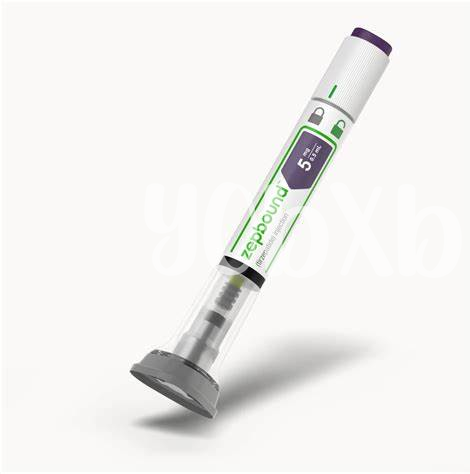
In clinical trials zepbound demonstrated faster early weight reduction than many standard medications, with meaningful improvements in metabolic markers that excited researchers and patients alike.
Comparative studies show it rivals GLP-1 receptor agonists for percent weight loss while differing in mechanism and side-effect profile, so head-to-head results vary by population.
Decision-making balances efficacy and tolerability; some patients achieve greater sustained weight loss with zepbound, while others respond better to alternatives. Personalized choice depends on comorbidities, goals, adherence, clinician support, cost and access, including insurance and monitoring needs, treatment continuity considerations.
Side Effects Comparison: Short Term and Long Term
Patients often describe the first weeks on zepbound as a whirlwind: nausea, mild dizziness and appetite shifts are common, usually transient and manageable with dose adjustments. These short-term effects mirror those of GLP-1 agonists and other agents, though frequency and intensity vary by drug and individual. Hydration, gradual titration, and dietary guidance often reduce early discomfort.
More serious immediate reactions—pancreatitis, severe dehydration, or acute gallbladder events—are rarer but require prompt medical attention and are associated across multiple classes. Clinicians monitor labs and symptoms closely during initiation to mitigate risks. Patient education and clear follow-up plans further lower emergency visits.
Long-term concerns include potential pancreatic, biliary, or cardiovascular impacts and uncertainties about sustained metabolic changes after discontinuation. Real-world registries and longer trials will clarify comparative safety, helping clinicians balance benefits against risks for each patient profile. Shared decision-making frames long-term choices.
Cost Breakdown: Price, Insurance, and Access Issues
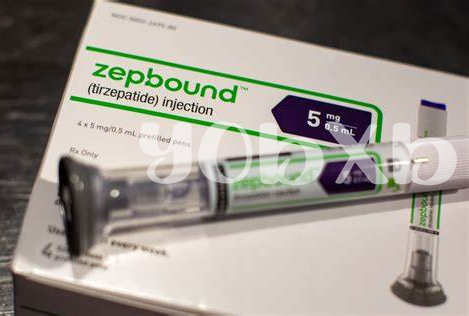
When Maria opened the prescription price estimate, the sticker shock felt real. Zepbound carries a higher list price than older agents, driven by brand status and research costs. Out‑of‑pocket responsibility varies widely by plan.
Insurance hurdles add complexity: formulary placement, prior authorization, and step therapy can delay access or shift costs to patients. Manufacturer copay cards may reduce short‑term expense but not eliminate long‑term financial burden for chronic use.
Clinics and specialty pharmacies influence price through negotiated rebates and dispensing fees. Rural patients face added travel or telehealth costs; low‑income individuals might qualify for assistance programs, yet eligibility rules and limited supply complicate uptake.
Comparing total cost means weighing zepbound's price, monitoring needs, and indirect savings from weight‑related health improvements. Shared decision‑making — with transparent pricing conversations — helps patients choose sustainable, affordable regimens that fit their budgets and goals.
Real World Use: Dosing, Administration, and Adherence
Clinicians and patients often discover that real-world dosing is an art as much as a science. Starting doses tend to be conservative to gauge tolerance, with gradual titration guided by weight loss response and side effects. For example, zepbound protocols usually begin low, increasing over weeks while monitoring nausea, hunger, and glycemic shifts. Clear instructions, predictable schedules, and support systems turn a prescription into workable routine.
Adherence rises when dosing fits daily life: simple injection timing, reminders, and telehealth check-ins. Educating patients about expected changes, side effect management, and realistic timelines improves persistence. Multidisciplinary teams and cost counseling address barriers to consistent use, maximizing the likelihood that clinical efficacy translates into sustained real-world patient benefit.
| Aspect | Practical Tip |
|---|---|
| Dosing | Start low and titrate based on tolerance |
| Administration | Use consistent timing; offer injection training |
| Adherence | Employ reminders, telehealth follow-up, and cost support |
Choosing Best Option: Patient Profiles and Outcomes
Imagine a patient with obesity, type two diabetes and established cardiovascular disease; agents with proven cardiovascular benefit may be prioritized, while tolerability and renal function shape choices. For younger patients seeking rapid weight loss without diabetes, higher-dose GLP-1s offer strong efficacy but require commitment to injection and side-effect monitoring.
Patients with gastrointestinal sensitivity or a history of pancreatitis may favor drugs with milder GI profiles or alternative mechanisms. Cost and access become decisive — uninsured patients might benefit from lower-cost or generic options even if efficacy is slightly reduced.
Shared decision-making, realistic goal-setting and close follow-up maximize outcomes: start low, titrate slowly, monitor labs and mood, and switch if side effects or inadequate response occur. Combining medication with behavioral support yields the best long-term results. Personal preference, prior treatment history, pregnancy plans, and adherence-support needs also guide selection in routine practice.