
To Buy Ventolin inhaler Online Visit Our Pharmacy ↓
 Kids and Ventolin: Making Inhalers Less Scary
Turning Inhalers into Playful, Nonthreatening Tools
A child discovers a bright inhaler like a toy, not a threat: familiar stickers, a favorite character tag, and calm, playful routines turn medicine into comfort. Short, cheerful explanations—"this button helps you breathe like blowing up a balloon"—paint a story and lower anxiety while keeping safety clear.
For practice, role-play quick treatments with stuffed animals, timing breaths together, praising effort. Show step-by-step the inhaler and spacer, use gentle reminders about counting and holding breath, and let the child choose a reward sticker for trying so they feel proud and safe.
| Tip | Why it helps |
|---|---|
| Stickers | Builds positive association |
Simple Steps to Teach Correct Inhaler Technique
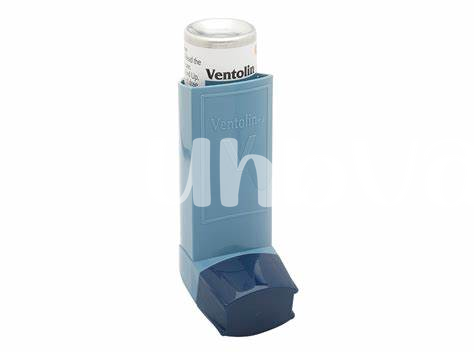
Start with a gentle demonstration using a toy or stuffed animal so the child sees the inhaler as friendly. Show how a ventolin inhaler works by shaking, clicking the canister, and placing a spacer or mask like fitting hat.
Teach the rhythm: breathe out, seal lips around the mouthpiece, press once and inhale slowly for five seconds, then hold breath for a few seconds. Practice without medication first, then with a spacer to make coordination easier.
Praise attempts, use a timer or song for counting, and let the child mirror caregivers. If coughing or confusion happens, pause, reset the game, and consult the clinician for a quick review. Consistent practice builds confidence and correct technique.
Choosing Masks, Spacers, and Accessories Little Ones Prefer
A bright, fun mask can turn a scary moment into a familiar ritual; a child is more likely to accept a colorful character than a plain device.
Spacers that attach easily to a ventolin inhaler reduce coordination worries and improve medicine delivery, so choose sizes that fit faces and hands.
Soft silicone masks, playful prints, and lightweight spacers help comfort and confidence; letting the child pick a design increases cooperation.
Include cleaning-friendly accessories and a small case for school; explain choices with stories so equipment feels like a helpful friend.
Games and Stories That Remove Medical Fear
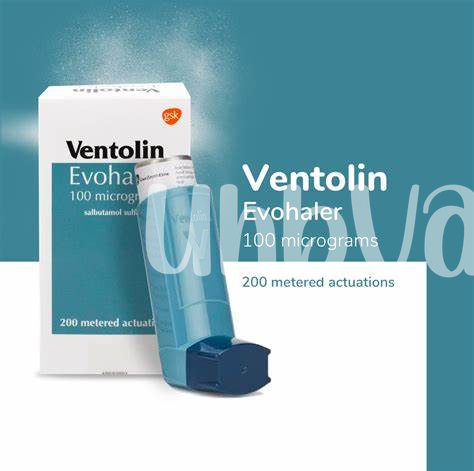
A brave little astronaut pretends the ventolin inhaler is a rocket, making treatments feel like adventures instead of scary medical moments again.
Role-playing games let children take turns being helper, doctor, or patient, teaching breathing techniques step-by-step while building confidence through play and celebrating successes.
Storybooks featuring friendly characters using inhalers normalize routine care; caregivers can read aloud, adding sound effects to reduce tension and encourage cooperation.
Simple reward charts, sticker milestones, and praise for bravery reinforce calm behavior; clinicians can recommend age-appropriate narratives to support consistent ventolin inhaler use.
Involving Caregivers, Schools, and Doctors for Support
At clinic and at home, a small routine makes the ventolin inhaler less scary: a parent models calm breathing, a nurse demonstrates on a toy, and a teacher keeps a familiar inhaler case on hand. When caregivers, school staff, and the child share the same simple language and step-by-step practice, medicine time becomes predictable rather than threatening, and confidence grows with every successful puff.
A clear, written action plan kept at school and home helps everyone respond calmly; include emergency contacts, dosage instructions, and preferred spacer or mask. Teachers trained in practical checks and simple peer education reduce stigma, while regular reviews with the doctor ensure technique and prescriptions stay current. Use charts for rewards, practice drills that feel like play, and keep a troubleshooting list for clogged or empty inhalers so caregivers act fast gently when children need medicine.
| Role | Support Action |
|---|---|
| Caregivers | Model use, maintain supplies, track doses |
| School staff | Follow action plan, allow practice breaks |
| Doctors | Review technique, update prescriptions |
Monitoring Progress, Rewards, and Practical Troubleshooting Tips
Keep a simple chart where the child marks each good treatment; seeing checkmarks builds confidence and helps parents spot patterns.
Turn progress into moments of praise: stickers, extra storytime, or a special outing after consistent use encourages cooperation without pressure, with small prizes.
Teach small fixes: check inhaler canister, replace spacers when worn, and practice steps calmly if doses seem ineffective; note symptoms and timing.
Celebrate improvements and share notes with teachers and clinicians so everyone supports the child; consistent routines and gentle encouragement make inhalers part of everyday life.