
To Buy Symbicort Online Visit Our Pharmacy ↓
 Symbicort Inhaler Techniques: Avoid These Common Mistakes
Skipping Proper Priming and Preparation before Use
A hurried morning taught me a costly lesson: an unused inhaler canister isn’t always ready to work. I realized this after coughing through a busy day.
Priming delivers the correct dose and clears stale medication; failing to do it can leave you underdosed when you need relief.
Always follow the manufacturer’s steps—shake, spray away from face, and repeat the number of times indicated—to guarantee performance.
A moment to prepare prevents wasted doses and unexpected symptoms; treat priming as essential, not optional. Carry spares and note instructions on the leaflet regularly.
| Step | Why |
|---|---|
| Shake/Prime | Ensures correct, fresh dose |
Inhaling Too Slowly or Too Fast Every Time
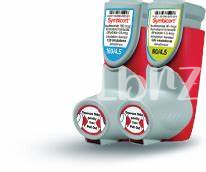
I once watched a friend panic during an asthma attack, shaking the symbicort like a curiosity, then breathing either a whisper or a gasp. Each approach left medication stranded in the throat or stuck as mist in the mouth. The trick is a confident, steady inhalation: begin with a full exhalation, place the mouthpiece, press the canister while drawing a deliberate, deep breath for about three to five seconds, then hold for ten.
Practice makes automatic — try a measured rehearsal with water vapor or a spacer, and ask a clinician to observe technique during a visit. Avoid panting breaths between doses; aim for consistent rhythm and awareness. Small adjustments improve lung deposition and reduce oral side effects, making each dose of symbicort more reliable and helping prevent unnecessary flare-ups. Simple timing changes can markedly cut rescue visits and wasted doses.
Poor Breath Coordination Ruins Medication Delivery Effectiveness
A sudden wheeze reminded me that technique matters. It felt avoidable.
When inhalation and actuation don’t sync, much of the symbicort mist never reaches the lungs. Many users can fix it with practice.
I learned to breathe out fully, start a steady deep inhalation, press the canister once, then hold my breath. Practice and a calm pace made a measurable difference in symptoms.
Simple timing fixes increased delivery and reduced rescue use. Ask a clinician for feedback and watch for better control. Video demos or pharmacist coaching help a lot.
Forgetting to Rinse Mouth after Inhaler Use
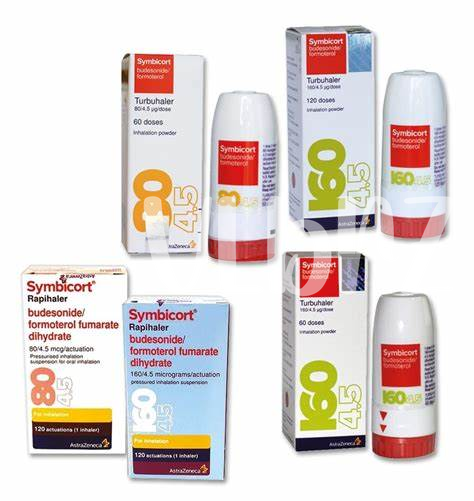
After her clinic visit, Maria noticed a bitter taste and scratchy throat following Symbicort. She learned that steroid residue left in the mouth can encourage oral thrush and hoarseness, especially with frequent use. A quick rinse and spit prevents fungal overgrowth and preserves vocal clarity, making daily inhaled therapy safer and more comfortable and reassuring.
Rinse immediately with water, spit, and preferably brush teeth later; using a spacer device further lowers oropharyngeal deposition. If sore patches or white patches appear, seek medical advice promptly — you may need topical antifungal treatment. Simple habits reduce side effects and improve adherence, so integrate a mouth rinse into your Symbicort routine to protect oral health and breathing outcomes.
Ignoring Dose Counters, Expiry Dates, and Alerts
I once missed a tiny counter reading on my symbicort inhaler and learned how quickly confidence can become risk. Small digital windows and expiry stamps are not bureaucratic details; they’re safety signals.
Dose indicators tell you how much medication remains; expiry dates mark when potency ends. Using an empty or expired device can leave you under-treated during an attack and undermine trust in your action plan.
Set reminders, check counters before travel, and replace devices once alerts appear. Pharmacy staff can help interpret dates and advise safe disposal to avoid accidental use.
A quick checklist keeps responsibility simple and clear:
| Check | Action |
|---|---|
| Dose counter | Replace if low |
| Expiry date | Discard if past |
| Alerts | Respond promptly |
Neglecting Regular Cleaning, Storage, and Maintenance
Imagine a morning when a sputtered inhaler fails at the crucial moment; dust and residue quietly choke the spray and cut delivered medication. Simple habits — wiping the mouthpiece weekly, replacing the cap, and avoiding humid bathrooms — keep doses reliable and airflow clear for each breath.
Set a routine: inspect the device monthly, clean per instructions, and store it in a cool dry place. Small maintenance prevents blockages, inaccurate doses, and unexpected failures. If performance changes, consult your pharmacist or clinician to ensure the inhaler still delivers as intended regularly.