
To Buy Rybelsus Online Visit Our Pharmacy ↓
 Rybelsus and Weight: Evidence, Myths, Real Results
How Rybelsus Works: Mechanism and Appetite
Think of the body as a conversation between gut and brain. An oral GLP-1 agonist enters that dialogue by mimicking the hormone glucagon-like peptide-1: it enhances glucose-dependent insulin release, slows gastric emptying and heightens satiety signaling in the hypothalamus. The result is fewer hunger pangs and earlier fullness during meals.
Beyond physical digestion, central pathways and vagal afferents change how reward and appetite are perceived, lowering cravings and spontaneous calorie intake. Clinical experience shows decreased meal size and frequency for many patients, but effects vary with dose, adherence and concurrent lifestyle changes; understanding the biology helps set realistic expectations. This biological framing helps clinicians tailor therapy, monitor progress, and set realistic, personalized goals over time.
Clinical Trial Evidence: Weight Loss Numbers Explained
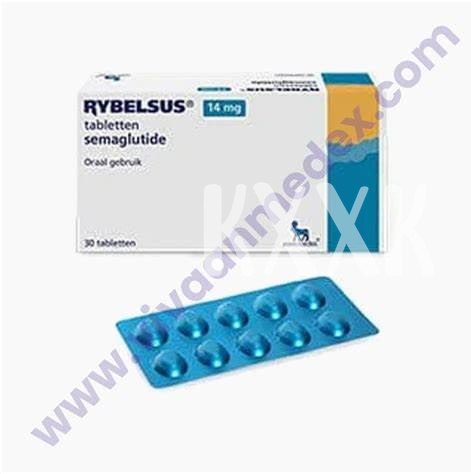
Landmark randomized trials tested the oral GLP-1 agonist rybelsus in adults with type 2 diabetes and overweight, measuring weight change over 26 to 52 weeks. Participants receiving higher doses typically lost more weight than placebo, often in the range of 3–6% body weight, with some subgroups seeing greater declines.
Beyond averages, responders and nonresponders diverged: many patients experienced early appetite suppression and steady weekly reductions, while others saw minimal change. Trial protocols combined medication with lifestyle advice, so separating drug effect from behavior is complex but statistical methods estimate a substantial drug contribution.
Most trials show weight loss plateaus after months; ongoing treatment is typically necessary, setting realistic expectations for clinicians and patients considering rybelsus.
Real-world Results: Patient Stories and Data
A nurse described a patient who began rybelsus and lost steady weight within months, reporting improved appetite control and fewer cravings, while glucose readings stabilized—small changes adding up to meaningful metabolic and emotional benefits overall.
Real-world registries report average losses around 5–7% body weight over six months, often less than clinical trials but clinically significant. Many users note faster initial reductions followed by gradual plateaus and modest monthly improvement thereafter.
Individual experiences vary: one teacher dropped two dress sizes after strict adherence and calorie awareness, while a retired man saw decline at slower pace. Factors like dose, diet, activity, and gut tolerance shape outcomes widely.
Clinicians recommend regular follow-up, realistic targets, and combination with dietitian support to sustain loss; registries emphasize retention and monitoring for gastrointestinal effects and B12 levels. Success stories inspire, but data stress personalized expectations and care.
Common Myths about Rybelsus Debunked with Evidence
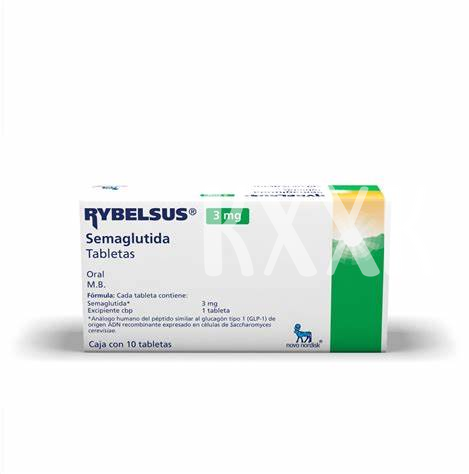
Many expect instant miracles, but experience tells a story: rybelsus supports appetite reduction and metabolic changes rather than producing overnight results. Clinical trials show modest, steady weight loss when combined with diet and exercise, contradicting myths that it causes dramatic, drug-only transformations or is habit-forming.
Safety fears overstate risk: large trials and surveillance show mainly gastrointestinal side effects while serious events are rare. Rybelsus is approved for type 2 diabetes, weight benefits seen in non-diabetic studies indicate metabolic effects, and evidence disputes claims it’s unsafe, addictive, or a short-term fix.
Side Effects, Safety Profile, Long-term Considerations
Starting a course of rybelsus often brings immediate questions about tolerability. Many people experience mild gastrointestinal symptoms—nausea, diarrhea, or constipation—that typically ease over weeks if dose escalation is paced. Serious reactions are uncommon, but pancreatitis and gallbladder issues have been reported; any severe abdominal pain or persistent vomiting warrants prompt medical evaluation.
In the long term, monitoring kidney function and thyroid status is prudent, especially for people with prior disease. Evidence suggests sustained weight and metabolic benefits while treatment continues, but stopping often leads to regain unless lifestyle habits change. Discuss risks, contraception plans, and cancer history with a clinician to personalize ongoing therapy. Regular monitoring balances benefit against rare harms and guides individualized dosing.
| Issue | Recommended Action |
|---|---|
| Severe abdominal pain | Stop medication, seek immediate care |
Practical Tips: Combining Rybelsus with Lifestyle Changes
Start by setting clear, small goals and communicating with your clinician about dosing and expectations. Rybelsus works best when paired with routine: take it on an empty stomach, wait thirty minutes before eating, and keep consistent timing.
Pair medication with a protein-rich breakfast, plenty of vegetables, and regular resistance exercise to preserve muscle. Focus on portion control, fiber intake, and steady hydration rather than extreme diets.
Track progress, side effects, and blood sugar; adjust with your provider. Expect gradual results, celebrate non-scale wins, and adopt sustainable habits for long-term benefit.