
To Buy Nolvadex Online Visit Our Pharmacy ↓
 Nolvadex Vs Aromatase Inhibitors: Key Differences
Mechanisms of Action: How They Block Estrogen Differently
A clinician’s first lesson is that two paths can reach the same goal: lowering estrogen’s influence. Tamoxifen clings to estrogen receptors, acting like a decoy and blocking signals in breast tissue, while aromatase inhibitors halt estrogen production upstream.
Tamoxifen’s selective receptor blockade can be tissue-specific: antagonistic in breast but sometimes agonistic in bone or uterus, a nuance that shapes side effects and long-term planning.
Aromatase inhibitors such as exemestane, letrozole and anastrozole block the enzyme converting androgens into estrogen, lowering systemic estrogen levels especially in postmenopausal patients where ovarian production is minimal.
Understanding these mechanisms helps patients and providers decide: receptor blockade may suit premenopausal scenarios or prevention, while aromatase inhibition is potent for reducing circulating estrogen after menopause.
| Drug | Action |
|---|---|
| Tamoxifen | Blocks estrogen receptors in breast tissue |
| Aromatase inhibitors | Reduce conversion of androgens to estrogen systemically after menopause effect |
Side Effect Profiles: What Users Should Watch for

When patients weigh options, side effects often decide the course. Some experience hot flashes, fatigue, or mood swings early on; others find symptoms subtle. Knowing likely problems helps set expectations and aids adherence to therapy.
Tamoxifen, sold as nolvadex, commonly causes hot flashes and menstrual changes but carries a higher risk of venous clots and a small increased risk of endometrial cancer. Vaginal discharge and rare eye changes are also reported, prompting periodic evaluations.
Aromatase inhibitors more often trigger joint pain, stiffness, and accelerated bone loss leading to fractures, plus potential lipid shifts affecting heart risk. Hot flashes occur less frequently but musculoskeletal complaints and decreased libido are common complaints.
Patients should report calf pain, chest symptoms, severe mood changes, or new fractures immediately. Regular bone density scans, routine lipid checks, and open clinician communication help balance effectiveness with tolerability.
Clinical Uses: When Doctors Choose One over Another
In oncology clinics, choices between selective estrogen receptor modulators and aromatase inhibitors are pragmatic. For premenopausal women, physicians often favor nolvadex because it blocks estrogen receptors while preserving ovarian function; its oral dosing and long safety record make it suitable for fertility-conscious patients and those with ER-positive tumors.
Aromatase inhibitors, by contrast, are preferred in postmenopausal patients where peripheral conversion drives estrogen production; they reduce systemic estrogen and can be more effective for certain metastatic or high-risk early breast cancers. Side-effect profiles influence choice: bone loss risk can steer clinicians away from prolonged AI therapy.
Ultimately, individual comorbidities, age, menopausal status, and patient preferences guide selection; oncologists weigh fracture risk, thrombotic history, and potential drug interactions. Shared decision-making, periodic monitoring, and the possibility of switching classes during treatment help tailor therapy for optimal outcomes and minimize recurrence risk over time.
Impact on Bone and Cardiovascular Health Risks
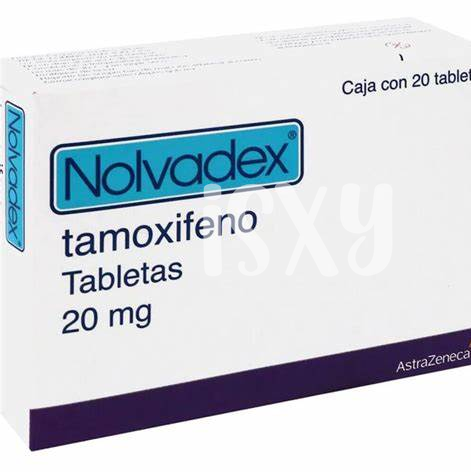
Patients often weigh estrogen-blocking options by imagining a tightrope between effectiveness and safety. Aromatase inhibitors lower peripheral estrogen and can accelerate bone loss in postmenopausal women, while selective modulators like nolvadex tend to preserve bone density but carry their own vascular considerations.
Cardiovascular profiles differ: aromatase inhibitors have been associated with modest increases in cholesterol and possible heightened cardiovascular events in susceptible patients, whereas tamoxifen-like agents can improve lipid profiles but slightly raise thromboembolic risk. Clinicians balance fracture risk against clotting and heart disease history when choosing therapy.
Monitoring strategies—bone density scans, lipid panels, and individualized risk assessment—transform abstract risks into actionable plans. Shared decision-making, lifestyle interventions, and timely switching or adjunctive therapies can mitigate long-term harm while preserving anticancer benefits. Regular follow-up allows timely dose adjustments and bone-protective medications to be introduced when clinically indicated to significantly reduce complications.
Drug Interactions, Dosing Differences, and Treatment Timelines
In clinical practice, clinicians navigate a maze of interacting medicines and metabolic pathways; choosing nolvadex often means managing CYP-related interactions and anticipating effects on liver enzymes, while other agents have distinct metabolic fingerprints. Patients recount adjusting schedules around antacids, SSRIs, or anticoagulants, so clear communication and reviewing concomitant drugs prevents surprises and maintains efficacy.
Dosages vary: tamoxifen-based regimens use daily fixed doses, whereas aromatase inhibitors are often titrated or cycled; duration depends on indication, from months for symptom control to years for adjuvant therapy. Regular labs and follow-up guide adjustments, balancing benefit against cumulative risks. Educating patients about timing, missed doses, and side‑effect flags improves adherence and outcomes. Coordinate with pharmacists regularly for safer combinations.
| Aspect | Quick Comparison |
|---|---|
| Metabolism | CYP-mediated (e.g., nolvadex) vs aromatase inhibition |
| Monitoring | Liver tests vs bone density and lipid panels |
Cost, Accessibility, and Patient Adherence Considerations
Patients often weigh price differences between tamoxifen and aromatase inhibitors when choices affect long-term affordability and access, insurance coverage shapes real-world selection.
Generic availability increases supply and lowers out-of-pocket expenses, but prior authorizations and regional shortages can impede timely therapy and patient frustration persists.
Side-effect profiles influence adherence: hot flashes, joint pain, and mood changes prompt discontinuation unless clinicians proactively manage symptoms with counseling and supportive care.
Financial assistance programs, clear communication about risks and benefits, and telehealth follow-ups improve persistence and overall outcomes, especially for older adults with subsidies.