
To Buy Lopressor Online Visit Our Pharmacy ↓
 Lopressor Side Effects: Recognize Symptoms Early
Early Warning Signs You Must Not Ignore
When you start a new blood pressure medication, small changes can signal something more significant. A subtle racing heartbeat, unexpected cold sweats, or persistent lightheadedness are early hints that your body is struggling to adapt. Noting these shifts and recording when they occur helps your clinician make timely adjustments.
Breathing alterations, even a mild cough or a slight wheeze, deserve attention; they may indicate a respiratory reaction. If exercise tolerance drops or ordinary tasks leave you unusually breathless, seek evaluation. These cues often appear before more obvious complications.
Report symptoms, bring a list of medications, and if alarm signs occur, severe dizziness, fainting, or chest tightness, call emergency services without delay to prevent serious harm.
| Symptom | Immediate Action |
|---|---|
| Rapid heartbeat | Record timing; contact prescriber |
| Breathlessness/wheeze | Seek evaluation; consider ER if severe |
| Dizziness/fainting | Stop activity; call emergency services |
Cardiovascular Red Flags: Heart Rate and Blood Pressure
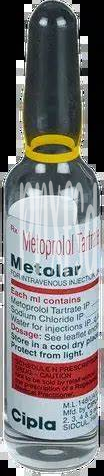
An altered heartbeat can feel subtle at first: mild palpitations, skipped beats, or a rhythm that seems slightly off during ordinary activity and deserves attention.
If you take lopressor, drops in heart rate (bradycardia) or persistently low blood pressure may develop; keep a simple log and report concerning readings promptly to your clinician or pharmacy.
Warning signs include lightheadedness when standing, near-fainting episodes, extreme slowing of pulse, or fluctuating pressures that leave you weak or dizzy during routine tasks and seek care if symptoms worsen.
Emergency symptoms, chest pain, fainting without recovery, very low pulse, or dangerously high blood pressure, require immediate medical attention; do not adjust doses yourself without professional guidance. Call emergency services.
Breathing Problems: Shortness, Wheeze, and Cough
A patient waking at night, suddenly gasping and feeling tightness, felt alarmed when a persistent cough followed. They remembered starting lopressor and wondered if the medicine could be to blame; beta blockers can provoke bronchospasm, especially in people with asthma or COPD.
If you notice new wheeze, increased shortness of breath, or a cough that won’t ease, contact your clinician promptly. Severe breathing difficulty, blue lips, or struggle to speak are emergencies—seek immediate care. Your provider may adjust dosing or switch medications to protect lungs while managing heart needs daily.
Dizziness, Extreme Fatigue, and Fainting Spells

When I first started taking lopressor, small moments of imbalance felt like a whisper — a stumble on the stairs, a sudden chill. Those subtle warnings can signal lowered blood pressure or slowed heart rate, and they deserve attention before they worsen.
Fatigue that arrives unannounced, draining normal activities, may indicate the drug is over-suppressing cardiovascular output. Keep a symptom diary, note timing after doses, and share patterns with your clinician to adjust dosage safely.
Passing out or nearly fainting needs urgent evaluation: sit and lie down if you feel lightheaded, avoid driving, and seek prompt medical advice to prevent injury and assess underlying causes. Do not stop medication abruptly without consulting your doctor immediately.
Mental Health Shifts: Anxiety, Depression, Memory Fog
A subtle change in mood while taking lopressor can feel unsettling; anxious thoughts may surface without obvious trigger.
Some patients report persistent low mood, loss of interest, or slowed thinking that interferes with daily life. Sleep changes and irritability are common and worth noting.
Memory fog might make names and appointments vanish briefly, causing worry that compounds emotional symptoms; discuss changes promptly with your clinician. Medication review can reveal interactions or dose effects; never stop suddenly, but seek advice.
| Worsening mood | Contact doctor now |
| Memory loss | Note times and report |
Medication Interactions and Signs of Dangerous Combinations
When Anna added an over-the-counter cold pill to her metoprolol prescription, she noticed sudden lightheadedness and confusion. Some drugs amplify metoprolol’s effects by slowing the heart or increasing its blood level, while others blunt its benefit. Herbal remedies and supplements can also interact unexpectedly.
Common culprits include calcium-channel blockers (verapamil, diltiazem), certain antidepressants and CYP2D6 inhibitors (fluoxetine, paroxetine), antiarrhythmics, and some antifungals. Combining with insulin or sulfonylureas can mask low blood sugar, and NSAIDs may reduce BP control. Concomitant use with another beta-blocker or digoxin increases risk of severe bradycardia and heart block.
Watch for alarming signs—severe dizziness, fainting, dangerously slow pulse, worsening shortness of breath, or chest discomfort—and seek urgent care if they appear. Always tell every clinician and pharmacist about metoprolol, read labels, and consult before starting new medications or supplements. When in doubt, contact your prescriber immediately.