
To Buy Hydrochlorothiazide Online Visit Our Pharmacy ↓
 Comparing Thiazide Diuretics: Hctz Vs Chlorthalidone - Efficacy, Duration, Risks
How Each Drug Works to Lower Blood Pressure
A patient’s morning routine can reveal the subtle power of thiazides. Hydrochlorothiazide and chlorthalidone both target the renal distal tubule, blocking the sodium–chloride cotransporter and promoting natriuresis. That loss of sodium reduces plasma volume and lowers cardiac output.
Beyond volume effects, chronic use lowers peripheral resistance through vascular remodeling and direct vasodilatory effects, more evident with longer‑acting agents. Chlorthalidone’s prolonged presence enhances these vascular benefits, while hydrochlorothiazide’s shorter exposure may blunt them.
Clinicians weigh these mechanisms against duration and side effects when tailoring therapy to each patient’s risk and lifestyle. They consider comorbidities, medication interactions, adherence concerns, and blood pressure pattern to select the most suitable agent, noting advanced age, renal function, and electrolyte trends.
| Drug | Mechanism | Notes |
|---|---|---|
| Hydrochlorothiazide | blocks Na‑Cl cotransporter, reduces volume quickly, shorter plasma exposure | |
| Chlorthalidone | blocks same transporter, prolonged action with sustained vascular effects |
Comparing Blood Pressure Reduction: Trials and Data
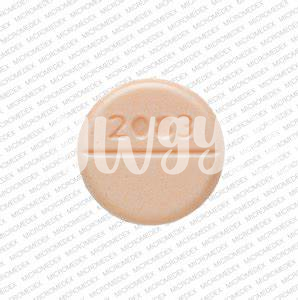
Clinical trials have long contrasted hydrochlorothiazide and chlorthalidone, revealing subtle but important differences in average blood pressure lowering. In randomized studies, chlorthalidone often achieves slightly greater systolic reductions, while hydrochlorothiazide shows reliable, shorter-term control; real-world outcomes depend on dose and patient characteristics.
Meta-analyses synthesize trials and suggest a modest superiority for chlorthalidone in sustained systolic lowering and cardiovascular event reduction, though many studies use non-equivalent dosing. Head-to-head trials highlight variability: some patients respond similarly to either agent, underscoring the need for individualized care.
For clinicians, the data translate into practical decisions: consider drug half-life, dosing equivalence, and patient tolerability when selecting therapy, and monitor response rather than relying solely on aggregated trial averages. Routine ambulatory monitoring and consideration of comorbidities, adherence likelihood, and electrolyte follow-up often determine which agent yields the best long-term outcomes for an individual in typical practice.
Duration of Action: Who Lasts Longer and Why
Many clinicians observe a steadier, more prolonged blood-pressure lowering with chlorthalidone compared with hydrochlorothiazide.
This reflects pharmacokinetic differences: chlorthalidone has a much longer elimination half-life and extensive tissue binding, producing sustained antihypertensive effects over 24–72 hours, while hydrochlorothiazide is absorbed and cleared faster, often giving shorter duration of action.
The longer duration means chlorthalidone often provides more consistent 24-hour control and blunts the morning blood-pressure surge better than hydrochlorothiazide, which can matter for cardiovascular risk.
In practice this influences dosing choices and timing: shorter-acting agents may require attention to adherence and dosing schedules, whereas a longer-acting thiazide can simplify regimens but may increase prolonged electrolyte effects that clinicians monitor, particularly in elderly patients with comorbidities.
Safety Profile: Electrolytes, Metabolic Effects, Heart Risks
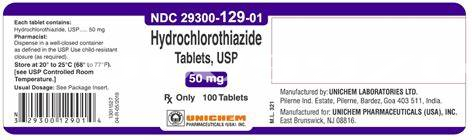
When prescribing thiazides, clinicians balance benefits with predictable electrolyte shifts. Both agents can cause sodium loss and potassium wasting, though chlorthalidone often causes greater potassium decline. Hydrochlorothiazide users sometimes tolerate milder changes, but monitoring remains essential.
Metabolic effects include slight rises in glucose, LDL, and uric acid; these are dose-dependent and more pronounced with longer-acting compounds. Patients with diabetes or gout need individualized risk assessment, lifestyle counseling, and consideration of alternative regimens if abnormalities emerge.
Cardiac risks are indirect but important: hypokalemia raises arrhythmia risk, and electrolyte imbalance can blunt diuretic benefits. Regular BMP checks, potassium-sparing strategies, and attention to drug interactions reduce harm while preserving antihypertensive efficacy, and patient education improves adherence and follow-up.
Dosing Practicalities: Equivalence, Titration, and Adherence
Clinicians often narrate small adjustments as medicine stories: a low starting dose, cautious follow up, and attention to symptoms. Starting conservatively preserves safety while permitting gradual intensification to reach blood pressure targets without surprises promptly.
Equivalence is pragmatic: lower milligram numbers may not mean lower effect. A conversion helps clinicians decide.
| Drug | Typical equivalence |
|---|---|
| Hydrochlorothiazide | 25 mg approximately chlorthalidone 12.5 mg |
Titration tends toward small, measured increments with intervals for lab checks. Once daily agents improve adherence; simpler regimens translate to better long term control and fewer missed doses overall especially in elderly patients with monitoring.
Adherence improves when clinicians discuss side effects, adjust timing, and consider fixed dose combinations. For example, combining low dose thiazide with ACE inhibitor lowers pill burden and supports sustained blood pressure control in practice routinely.
Clinical Recommendations: Choosing between Agents for Patients
Start by matching drug properties to the patient: chlorthalidone favors longer control and stroke reduction in trials, while hydrochlorothiazide offers convenience and fewer dose-related metabolic shifts for sensitive patients overall.
Favor chlorthalidone for durable ambulatory control and when adherence might lapse; choose hydrochlorothiazide when renal tolerance or lower dosing complexity matters, monitoring electrolytes and glucose routinely in either case too.
Tailor therapy around comorbidities: avoid excessive doses in diabetics or gout-prone individuals, consider chlorthalidone for cardiovascular risk reduction, and reassess therapy after titration or clinical change with regular follow-up labs.