
To Buy Doxycycline Online Visit Our Pharmacy ↓
 Doxycycline Resistance: Causes and Prevention Strategies
Bacterial Tricks: Molecular Mechanisms Undermining Doxycycline
In the microbial theatre, bacteria deploy molecular sleights of hand to neutralize doxycycline. Many species express active efflux pumps that eject the drug before it reaches ribosomal targets, while ribosomal protection proteins slip between doxycycline and the 30S subunit, dislodging the antibiotic and restoring protein synthesis. Mobile plasmids and transposons ferry these genes between strains, turning isolated resistance into a community problem.
Other tactics include enzymatic modification—TetX oxidizes tetracyclines—and point mutations that alter ribosomal binding sites, reducing affinity. Biofilm communities and dormant persister cells create physical and metabolic refuges where doxycycline penetration and activity fall short. Regulatory mutations can hyperactivate resistance operons, and co-selection by metals or biocides keeps resistance genes circulating even without antibiotic use. Understanding these mechanisms explains clinical failures and highlights why molecular surveillance, rapid diagnostics, and targeted stewardship and policy are essential to preserve doxycycline’s usefulness.
| Mechanism | Effect |
|---|---|
| Efflux pumps | Lower intracellular doxycycline |
| Ribosomal protection | Displacement of antibiotic from 30S |
| Enzymatic inactivation | Chemical modification of drug |
Human Behaviors Fueling Resistance: Misuse and Overprescription

A young parent reaches for leftover doxycycline when a child develops a fever, trusting past experience rather than medical advice. This small, common choice sets bacteria on a fast track toward survival strategies; subtherapeutic exposure favors resistant strains.
Clinicians contribute when diagnostics are skipped and antibiotics are prescribed “just in case.” Pressure from patients, time constraints, and habit lead to unnecessary courses. Each needless prescription increases the ecological pool of resistance genes that can spread between species and communities.
Stopping this requires clear prescribing guidelines, patient education about completing courses, and accessible diagnostics to distinguish viral from bacterial illness. Small behavior changes at both clinic and household levels can slow resistance and preserve doxycycline’s usefulness.
Environmental Hotspots: Agriculture, Wastewater, and Drug Residues
On farms, routine antibiotic use turns soil and runoff into classrooms for bacterial evolution, where exposure to low doxycycline levels selects resistant strains that later reach people.
Wastewater plants concentrate pharmaceuticals and resistance genes; conventional treatment reduces load but often leaves fragments and active molecules that promote horizontal gene transfer.
Stopping this cascade requires tighter regulation of veterinary prescriptions, manure management to limit runoff, advanced treatment technologies to remove drug residues, expanded surveillance for resistance, and farmer education to reduce nontherapeutic doxycycline use and preserve antibiotic efficacy and collaboration networks.
Diagnostic Hurdles Delaying Detection of Resistant Infections
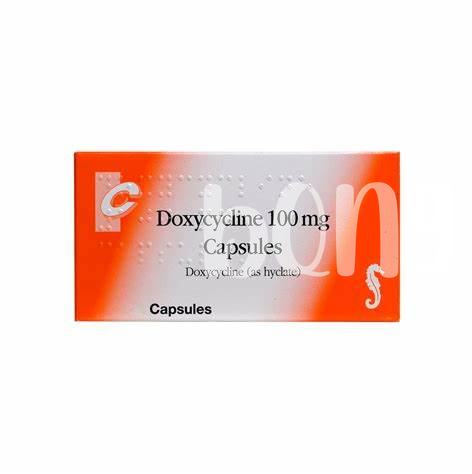
Clinicians often race against time as subtle laboratory delays and insensitive assays allow resistant strains to slip past initial screens. Traditional culture methods can take days, and molecular tests may miss novel resistance determinants, so patients empirically treated with doxycycline may remain on ineffective therapy. This diagnostic lag not only worsens outcomes but also silently amplifies resistance when inappropriate antibiotics continue to be used.
Bridging the gap requires faster point‑of‑care diagnostics, expanded genomic surveillance, and routine susceptibility testing linked to real‑time reporting. Investment in accessible rapid assays and clinician education on interpreting results can shorten the interval between sample collection and appropriate therapy, reducing unnecessary exposure to broad‑spectrum agents. Public health labs and hospitals must coordinate data sharing so emerging doxycycline resistance patterns are detected early and inform treatment guidelines, curbing transmission before it escalates, and support antimicrobial stewardship programs.
Clinical Countermeasures: Stewardship, Combination Therapy, Dosing Optimization
In clinics the fight against doxycycline resistance becomes personal: physicians and patients balancing efficacy with risks. Clear protocols and rapid decision-making preserve drug usefulness, turning daily choices into a frontline defense.
Antibiotic stewardship programs guide prescribing, audit use, and educate staff; success stories show reduced resistance rates when adherence is high. Small interventions—checklists, feedback, and delayed prescriptions—change habits and outcomes.
Where monotherapy fails, thoughtful combination therapy can block escape pathways; pairing agents with complementary mechanisms may restore activity against stubborn strains. Stewardship ensures combos are evidence-based, not reflexive or market-driven.
Optimized dosing—pharmacokinetic and pharmacodynamic guided—maximizes bacterial kill while limiting toxicity and selection pressure. Rapid diagnostics, patient adherence support, and local antibiograms complete a pragmatic toolkit to prolong doxycycline’s value.
| Strategy | Benefit |
|---|---|
| Stewardship | Reduced inappropriate prescribing |
| Combination therapy | Restored activity against resistant strains |
| Dosing optimization | Higher exposures, less selection, lower costs |
Public Health Response: Surveillance, Policy, Education, and Stewardship
Communities track antibiotic resistance through coordinated surveillance networks that map outbreaks and guide interventions. Timely data from hospitals, clinics, and wastewater reveal emerging patterns, enabling targeted policies and resource allocation. Local labs must standardize testing and share results rapidly nationwide daily.
Education campaigns and stewardship programs translate evidence into practice: clinicians follow prescribing guidelines, pharmacists monitor use, and patients learn adherence. Regulatory measures reduce agricultural misuse and support research into alternatives, creating a layered defense that preserves antibiotic effectiveness. Funding incentives and international cooperation accelerate implementation of best practices globally.