
To Buy Colchicine Online Visit Our Pharmacy ↓
 Colchicine Dosing Myths Versus Evidence
Common Colchicine Dosing Myths Clinicians Still Believe
In busy clinics old colchicine dosing rules live on: escalate until toxicity, halve doses in elderly patients, and treat gastrointestinal upset as intolerance rather than manageable side effects. These habits feel safe but can mislead.
Many clinicians assume higher initial doses end acute flares faster, or that renal impairment universally mandates dramatic reductions.
| Myth | Reality |
|---|---|
| High initial dose is best | Lower effective regimens reduce toxicity |
| Renal disease prohibits use | Adjust dose; avoid interactions |
Misinterpreting gastrointestinal side effects leads to unnecessary discontinuation; proper timing, lower maintenance doses, or temporary pauses often salvage therapy while preserving efficacy.
Clinicians should update prescribing habits: use evidence-based regimens, check for CYP3A4 and P-gp interactions, adjust for age and renal function, educate patients about expected side effects and when to seek help and consider specialist input as needed.
Pharmacology Facts That Debunk Dosing Misconceptions
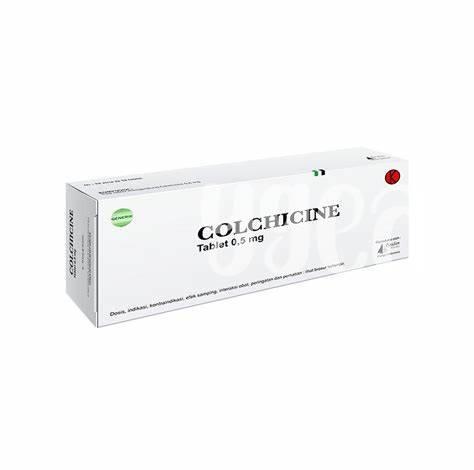
Clinicians often picture colchicine as a mystery drug, but its mechanism is straightforward: it binds tubulin to inhibit microtubule assembly, tempering neutrophil motility and inflammation. Understanding this explains why low, timely doses work best—efficacy relies on cell dynamics, not escalating amounts. Pharmacokinetics shape practical dosing decisions.
Colchicine is metabolized by CYP3A4 and transported by P-glycoprotein, so drug interactions and renal or hepatic impairment—not mythical tolerance—drive toxicity risk. Dose adjustments, not avoidance, safeguard patients; evidence supports modest reductions and monitoring rather than wholesale prohibition in vulnerable groups with individualized clinical judgment.
Evidence from Trials Guiding Modern Dose Recommendations
Landmark randomized trials shifted colchicine use from tradition to precision, demonstrating that lower, well-timed regimens reduce flares while minimizing toxicity. These studies compared daily low-dose strategies against intermittent or higher-dose approaches, producing benefits in gout prophylaxis and cardiovascular inflammation trials.
Meta-analyses pooled these results and clarified dose–response relationships: low-dose colchicine (0.5–1.0 mg/day) delivered meaningful reductions in recurrence and inflammatory biomarkers with fewer gastrointestinal adverse events compared with older high-dose protocols. Trial populations included older adults and those with comorbidities, improving validity.
Consequently, contemporary guidelines endorse conservative daily dosing and shorter courses for acute flares, balancing efficacy with safety. Clinicians should apply trial-informed regimens, adjust for renal or drug interactions, and monitor for intolerance and educate patients.
Safety Concerns Versus Actual Risk Data Explained
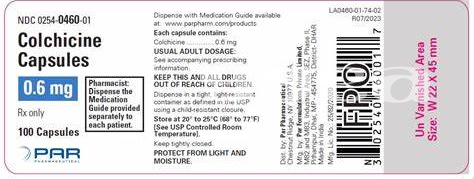
Clinicians often recall dramatic adverse stories, but data paint a subtler picture: colchicine toxicity is dose-dependent and uncommon at guideline-recommended doses. Large trials used low daily doses and reported mostly mild gastrointestinal effects rather than frequent fatal outcomes.
Concerns about drug interactions, especially with strong CYP3A4 or P-gp inhibitors, are real but quantifiable: dose reductions or temporary holds mitigate risk. Real-world registries show serious toxicity primarily when colchicine is co-prescribed with potent inhibitors.
Renal or hepatic impairment raises exposure, yet studies suggest conservative dosing adjustments, not blanket avoidance, maintain safety. Elderly patients tolerate low-dose regimens well when renal function and interacting medications are reviewed regularly.
Contextualizing risk with benefit is critical: for gout flares, familial Mediterranean fever, or cardiovascular prevention trials, the absolute risk of serious adverse events remained low. Educating patients about symptoms and monitoring completes pragmatic safety strategy.
Practical Dosing Strategies for Special Patient Populations
Clinicians often hesitate when dosing colchicine for frail or elderly patients, but a pragmatic approach balances efficacy with safety. Start low and assess response within days, not weeks.
Renal or hepatic impairment requires individualized reductions; avoid automatic discontinuation unless toxicity appears. Drug interactions, especially with CYP3A4 or P-gp inhibitors, mandate dose modifications and closer monitoring.
Use weight-based thinking for extremes of body size and consider alternate-day regimens for recurrent flare prophylaxis when side effects limit daily therapy. Educate patients to report gastrointestinal or neuromuscular symptoms promptly.
| Population | Tip |
|---|---|
| Elderly | Start 0.3–0.6 mg once daily; monitor |
| CKD/hepatic | Reduce dose or extend interval; review drugs |
| On interacting drugs | Lower dose, increase monitoring, avoid combinations with strong inhibitors |
Translating Evidence into Prescribing Habits and Monitoring
Changing prescribing habits starts with a story clinicians know: a compelling trial shifts a daily reflex. Translate evidence by standardizing indications, adopting trial-based dosing, and building simple order sets that embed renal and drug-interaction adjustments. Teach teams to ask three questions before prescribing—renal function, interacting drugs, and symptom timing—and make patient education a scripted step, so expectations and warning signs are consistently communicated. Measure adherence outcomes and iterate regularly.
Monitoring should match risk: baseline renal and hepatic tests, a CBC on treatment initiation, and targeted checks for high-risk patients. Start with conservative doses in elderly or low-weight individuals and avoid co-prescription with strong CYP3A4 or P-gp inhibitors. Document rationale, counsel on gastrointestinal and neuromuscular warning signs, schedule a follow-up to reassess necessity and adherence, and use EMR alerts to flag interactions and automate monitoring. Sources: COLCOT trial FDA communication