
To Buy Cephalexin Online Visit Our Pharmacy ↓
 Cephalexin Dosage Guide: Adults and Children
Understanding Cephalexin: Uses, Mechanism, Quick Overview
Cephalexin is a commonly prescribed oral antibiotic that treats many bacterial infections, from skin and soft tissue infections to respiratory and urinary tract infections. It works by interfering with bacterial cell wall synthesis, causing cells to rupture and die; this makes it bactericidal and effective against susceptible gram-positive and some gram-negative organisms.
Prescribers consider infection type, severity, patient age, weight and kidney function when choosing a dose. Typical adult regimens range from 250–500 mg every six to twelve hours, while pediatric doses are weight-based. Short courses often resolve uncomplicated infections, but adherence to duration and medical guidance prevents resistance and relapse. Report allergies or side effects promptly to your clinician. Keep records of treatment dates.
| Use | Typical Adult Dose |
|---|---|
| Skin, respiratory, urinary infections | 250–500 mg every 6–12 hours |
Adult Dosing Guidelines for Common Infections

Clinicians often begin with 250–500 mg of cephalexin every six to twelve hours for common respiratory or skin infections, tailoring frequency to severity; daily totals typically range up to a 4-gram maximum under supervision carefully.
For uncomplicated urinary infections, 250 mg four times daily for five to seven days suffices; skin and tissue infections often require 250–500 mg every six hours for seven to fourteen days, adjusted by clinical response.
More severe infections may prompt 500 mg every six hours or higher, with total daily doses up to four grams; for streptococcal pharyngitis a full ten-day course remains standard to ensure eradication and prevent complications.
Elderly patients and those with renal impairment need dose reductions based on creatinine clearance; review allergies, obtain cultures, and discuss duration with a clinician—antibiotic choice and dose should match infection severity and patient factors overall.
Pediatric Dosage Calculations: Weight Based Safety Rules
As you hold a squirming toddler, calculating a safe antibiotic dose feels urgent and exact. For cephalexin, pediatric dosing is almost always weight-based, typically expressed in mg per kg per day divided into doses. Precision keeps therapy effective and harm minimal.
Clinicians calculate total daily milligrams from the child’s weight (mg/kg/day) and divide into scheduled doses with pharmacy verification. Typical ranges run from about 25-50 mg/kg/day for routine infections, with higher regimens reserved for severe cases under close supervision.
Always use the child’s current weight — not age — and round doses to the nearest measurable amount. Verify allergies, use an oral syringe for accuracy, and contact the prescriber if symptoms persist or dosing calculations seem uncertain.
Dose Adjustments for Kidney Disease and Elderly
Imagine a clinician pausing to adjust cephalexin for a fragile patient; renal function reshapes dosing decisions to prevent accumulation and age-related pharmacokinetics too.
Estimated glomerular filtration rate guides interval lengthening or dose reduction; typical adjustments lower daily exposure while maintaining efficacy and reduce adverse events.
In older adults, slower clearance and comorbidities demand cautious start doses and frequent review, balancing benefits and toxicity risk with individualized care plans.
Monitoring renal labs, symptoms, and drug interactions ensures safe therapy; collaborate with pharmacy when tailoring regimens for vulnerable patients and family caregivers.
Common Side Effects, Drug Interactions, and Warnings
Patients often notice mild stomach upset, yeast infections, or rash; discuss symptoms promptly to avoid progression or unnecessary concern and monitoring.
Serious allergic reactions are rare but can be severe — seek emergency care for swelling, breathing difficulty, or widespread hives immediately without delay.
Cephalexin interacts with metformin and live oral vaccines rarely, so tell providers all medications and supplements before starting therapy for safety.
Adjust doses for kidney problems and elderly; report dizziness or severe diarrhea, and always complete prescribed course unless told by clinician.
| Risk | Advice |
|---|---|
| Allergy | Stop drug |
Practical Administration Tips: Duration, Missed Doses, Storage
Finish the prescribed course even when feeling better; stopping early can allow bacteria to survive and infection to return. Keep follow-up promptly if symptoms persist or worsen.
If a dose is missed, take it as soon as remembered unless it's near the next scheduled dose—then skip and continue routine.
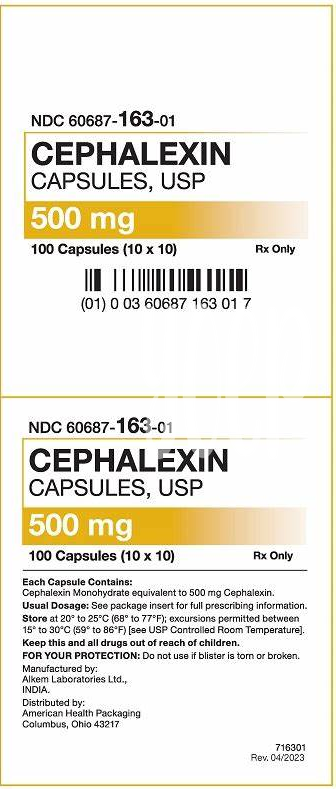
Store capsules and liquid in original containers at room temperature away from heat and moisture; refrigerate liquids only if label advises.
Discard unused suspension after recommended days and consult your clinician if vomiting, severe diarrhea, or unexpected reactions occur during therapy.