
To Buy Artvigil Online Visit Our Pharmacy ↓
 Artvigil Vs Modafinil: Key Differences Explained
Molecular Differences Explained: Artvigil Versus Modafinil Chemistry
Artvigil is the R enantiomer of modafinil; both share the same molecular formula and sulfoxide core, but Artvigil contains only the active R isomer while modafinil is a racemic mixture of R and S forms. That single stereocenter produces measurable differences in metabolism and receptor interactions, changing how the molecule distributes and persists in the body.
Clinically, the stereochemistry yields higher early plasma levels and a longer apparent half life for Artvigil, leading to more sustained wakefulness in some users. Pharmacodynamic targets remain similar, involving dopamine transport and related pathways, but enantiomer specific pharmacokinetics can alter onset, duration, and individual response, so interchangeability is not guaranteed in clinical practice for certain patient populations, influencing choices.
| Feature | Artvigil (armodafinil) | Modafinil |
|---|---|---|
| Stereochemistry | Single R enantiomer | R and S racemic mixture |
| Pharmacokinetics | Higher early plasma, longer apparent half life | S enantiomer clears faster; shorter apparent duration |
Wakefulness Timeline: Onset, Peak Effects, and Duration
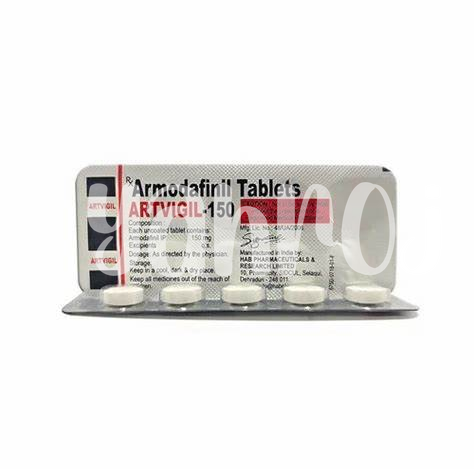
Morning feels sharper for many: artvigil typically builds steadily, with subtle signs within thirty to sixty minutes as the brain shifts into alert mode and often sharpens concentration.
Peak effects commonly occur between two and four hours, when clarity, motivation, and stamina feel maximized; this window varies with dose, metabolism, and concurrent substances like caffeine or individual sensitivity.
Duration spans about eight to twelve hours for many users; some report lingering wakefulness into the evening, which can impact sleep if timing isn't managed carefully enough.
Starting low, testing timing, and avoiding late doses helps tailor effects to your schedule; discuss persistent insomnia or unusual reactions with a clinician before adjusting artvigil use long term safely.
Side Effects Compared: Short Term and Long Term Risks
On a late-night shift, users often trade fog for clarity but discover costs beyond alertness. Short-term reactions—headache, nausea, dry mouth, insomnia, or increased anxiety—can appear within hours. Artvigil users report similar early symptoms, usually mild.
Within days some experience appetite suppression or digestive upset; others notice elevated heart rate or blood pressure, prompting medical review. Cognitive lift masks cardiovascular or mood shifts that should not be ignored, especially preexisting conditions.
Long-term use raises concerns about tolerance and altered sleep architecture; some users report anxiety persistence or depressive episodes over months. Rare but serious reactions—severe rash or liver abnormalities—require immediate attention and discontinuation, with regular monitoring.
Choosing either drug means balancing benefit and risk: start low, monitor sleep and mood, and report new symptoms quickly. Many who've tried artvigil share relief but stress the value of physician guidance and routine checkups.
Dosing Secrets, Titration Tips, and Response Variability
When I first tried artvigil, I learned that starting low and going slow matters. Small increments reveal tolerance and sensitivity more clearly than guessing a "perfect" dose. Keep a simple log: dose, time, subjective alertness, and any jitteriness. Patterns emerge within a week.
Adjustments should be spaced by days, not hours; the nervous system needs time to settle. If effects wane, consider modest increases rather than doubling. Conversely, side effects often respond to a small reduction or splitting the dose. Consult a clinician if you’re combining stimulants or antidepressants.
Individual response varies—genetics, sleep, diet, and co-medications shift outcomes. Track efficacy with concrete tasks like work streaks or testing focus scores. Avoid chasing ever-higher doses; aim for reliable function rather than euphoric spikes. When in doubt, reassess goals and prioritize safety over marginal gains. Keep emergency allergy information readily available always.
Cost, Legality, and Availability Across Countries Explained
Travelers and patients often find bewildering price tags and patchy supply chains. Generic versions like artvigil can be cheaper, but hidden import fees and pharmacy markups shift real cost. Subscription or bulk buying affects outlay significantly.
Legality varies: prescription-only in many countries, over-the-counter in some, and controlled in others. Online pharmacies add complexity—verification matters. Always check national regulations before ordering to avoid seizures or fines.
Practical availability depends on insurer coverage, local approvals, and supply chain stability; for many, trialing low-risk alternatives locally is sensible. Patient communities and pharmacists often share up-to-date sourcing tips. Compare unit price, return policies, and physician guidance to balance budget with safety when choosing a stimulant alternative online or locally.
| Region | Typical Access |
|---|---|
| Europe | Usually prescription-only; country rules vary |
| India/Asia | Generic forms more widely available |
Which to Choose: Cognitive Goals, Safety, Real Stories
Your aim shapes the choice: deep focus for studying, long work shifts, or steady daytime alertness.
Modafinil has stronger clinical data and predictable effects; Artvigil may offer similar wakefulness with different pharmacokinetics for some users.
Safety profiles overlap but vary individually — consider allergies, heart issues, psychiatric history, and start low while monitoring.
User reports provide practical insight: keep a simple journal of cognitive performance, side effects, and sleep. Share data with a clinician, verify legality and product quality, and prioritize safety over short-term gains for sustained, responsible use and clarity.