
To Buy Antabuse Online Visit Our Pharmacy ↓
 Antabuse Interactions: Foods, Meds, and Hidden Risks
Top Foods That Trigger Dangerous Disulfiram Reactions
An unexpected bite can turn a brave recovery into a frightening episode. People on disulfiram often imagine alcohol only in drinks, but fermented foods and certain vinegars can trigger nausea, flushing, and heart palpitations.
Ripe fruits, overripe breads, soy sauce, and some marinades contain ethanol or related compounds. Even tiny amounts absorbed through the mouth or stomach may be enough to provoke a disulfiram-alcohol reaction.
Label checking and asking in restaurants are practical defenses. Remember that homemade or preserved foods are highest risk because fermentation is less controlled.
Use the table below as a quick reference and review ingredients before eating.
| Food | Risk |
|---|---|
| Soy sauce | Very high |
| Ripe fruit | Moderate risk |
| Aged vinegar | Variable risk |
Hidden Everyday Products That Contain Alcoholic Ingredients
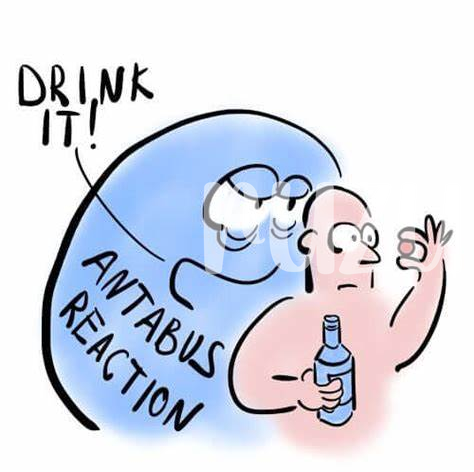
The morning routine can feel safe until a splash of mouthwash or hand sanitizer changes script. A narrator noticing faint warmth after using common products makes readers alert to invisible alcohol exposure in daily life.
Baked goods with extracts, cough syrups, and topical rubs sometimes list alcohol on labels. For someone taking antabuse, these innocent items can provoke reactions; vigilance with ingredient lists is the best defense against surprise exposure.
Cosmetics, perfumes, and aftershaves may contain ethanol or denaturants absorbed through skin or inhaled. Cooking wines and vanilla extract can emit fumes when heated. Tracking products helps prevent unintended disulfiram reactions in everyday settings unexpectedly.
Carry a concise list of safe alternatives and emergency contacts; show it to pharmacists and caregivers. If any unexpected flushing, nausea, or palpitations occur after product use, seek medical advice promptly and mention antabuse immediately.
Common Medications That Interact with Disulfiram Mechanisms
In clinic, a patient reaching for an antibiotic learned the hard way: not all drugs mix safely with antabuse. A single dose of an interacting drug can cause flushing, nausea, or worse.
Flagged culprits include metronidazole and some cephalosporins, known to provoke disulfiram-like reactions. Even topical or oral formulations may matter.
Other concerns are medications processed by hepatic enzymes—warfarin, phenytoin, certain benzodiazepines and opioids—whose levels can rise when disulfiram alters metabolism.
Before starting or adding treatments, patients should tell prescribers about antabuse to avoid dangerous interactions and adjust dosages safely.
Supplements and Herbal Remedies That Mask Risks
I once met a friend who believed 'natural' meant harmless; she took herbal tinctures while on antabuse and nearly endured a frightening flush. That scare taught us folk remedies can hide alcohol or enzyme‑altering compounds.
Many liquid extracts use ethanol as a solvent, and some fermented products carry trace alcohol. Other botanicals change liver enzymes, altering how antabuse is processed and masking early warning signs.
Practical steps include regularly checking labels for alcohol, choosing glycerin or vinegar‑based extracts, avoiding homemade preparations, and listing every supplement and remedy for your clinician or pharmacist to review.
Small, informed choices prevent big problems; when in doubt, stop the supplement and promptly consult your prescriber to keep recovery safe.
Recognizing Severe Disulfiram Reactions and Emergency Steps
A patient on antabuse once mistook a sauce and within minutes experienced intense flushing and nausea; that snap judgment illustrates why knowing danger signs matters. Look for chest pain, rapid heartbeat, severe vomiting, confusion, trouble breathing, fainting, or collapse. Mild discomfort can escalate quickly, so document onset time and any possible alcohol source to inform responders.
If severe signs appear, do not wait: call emergency services immediately and mention disulfiram exposure. Give basic first aid, keep the person sitting or on their side if vomiting, monitor breathing and pulse, and remove remaining alcohol sources. Emergency responders may give IV fluids, oxygen, or meds. Quick checklist:
| Call 911 |
| Note time |
Practical Lifestyle Tips to Avoid Unintentional Exposure
Imagine stepping into a café reading labels often: check drinks, sauces, dressings for wine or alcohol, avoid alcohol-based mouthwash, hand sanitizer, or perfumes, and decline foods cooked with beer. Tell friends, family, and healthcare providers you’re taking disulfiram so they can help prevent accidental exposure.
Carry a medical card, inform pharmacists and caregivers before buying OTC products, and ask dentists about anesthetic or antiseptic ingredients. Inspect supplements and cosmetics for ethanol or extracts, avoid cooking with liqueurs, and plan social outings where nonalcoholic alternatives are available to reduce inadvertent reactions.