
To Buy Ampicillin Online Visit Our Pharmacy ↓
 Ampicillin Resistance: Global Trends and Solutions
Rising Resistance Trends in Common Beta-lactams
Global surveillance now records accelerating resistance to first-line beta-lactams, with ampicillin losing effectiveness against many Enterobacterales and streptococcal species. Community-acquired infections that were once reliably treated are showing higher treatment failures, driven by expanded-spectrum beta-lactamase production, plasmid dissemination, and selection pressure from outpatient prescribing. Reports from both high-income and low-income regions reveal rising minimum inhibitory concentrations and increasing prevalence of resistant clones.
This trend complicates empiric therapy, increases hospitalizations, and raises mortality risk where diagnostics and alternative agents are scarce. Urgent measures — improved stewardship, rapid diagnostics, infection control, and global data sharing — are needed to slow spread while research prioritizes novel agents and adjunctive therapies to restore clinical options, and urgently protect vulnerable patients worldwide.
| Region | Reported increase (approx.) |
|---|---|
| Asia | 20–40% |
| Africa | 15–35% |
| Europe | 10–25% |
| Americas | 12–28% |
Regional Hotspots: Drivers Behind Resistant Infections
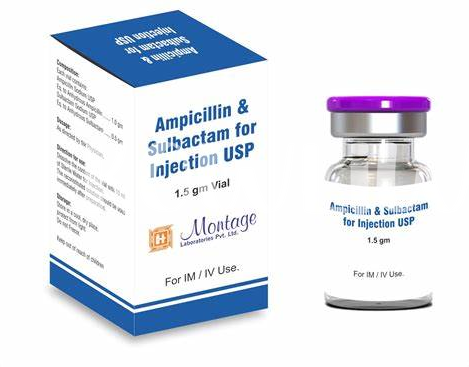
In coastal cities and rural clinics alike, resistant infections emerge where antibiotics flow freely and sanitation falters. Travelers, dense hospitals and intensive farming create corridors for resistant strains; even common drugs like ampicillin lose reliability as environmental contamination and unregulated access accelerate spread.
Socioeconomic pressures, weak stewardship, counterfeit medications and limited diagnostics compound risk, delaying effective therapy and masking transmission chains. Mapping these hotspots reveals targeted interventions—improved water, stricter prescriptions, rapid testing and farm regulations—that blunt resistance and restore treatment efficacy. Public engagement and funding are crucial for sustained success.
Genetic Mechanisms Fueling Beta-lactam Treatment Failures
In the microscopic arms race, bacteria deploy plasmids carrying beta-lactamases that neutralize ampicillin and related drugs. Porin loss and upregulated efflux pumps further shield pathogens, while point mutations tweak penicillin-binding proteins. These layered defenses turn once-reliable therapies into slippery, unpredictable foes that spread rapidly worldwide.
Horizontal gene transfer via conjugative plasmids, transposons and integrons accelerates dissemination across species boundaries. Selective pressure from ampicillin overuse co-selects multidrug resistance, complicating diagnostics and therapy. Real-time genomic surveillance, rapid susceptibility testing and tailored combination regimens are essential to outpace evolving resistance through global coordination.
Clinical Impact: Outcomes, Diagnostics, and Therapeutic Challenges
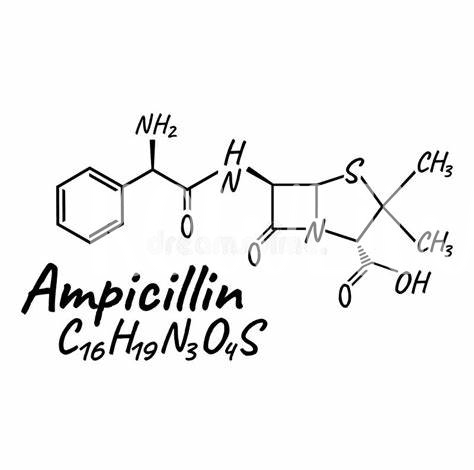
Patients once cured by ampicillin now face longer hospital stays and higher complication rates as resistant infections erode treatment efficacy.
Delayed or insensitive diagnostics compound delays, driving empirical broad-spectrum therapy that obscures pathogen profiles and fuels further resistance.
Clinicians confront limited alternatives, toxicities from combination regimens, and scarce pediatric options; outcomes worsen without rapid susceptibility results. Investment in point-of-care testing, tailored dosing, and trialing novel beta-lactamase inhibitors can restore options, but success hinges on surveillance, stewardship, and global access to diagnostics and effective newer agents to preserve clinical efficacy worldwide.
Stewardship Strategies: Reducing Misuse and Overprescribing
Clinicians must balance urgency and restraint, telling stories of lives saved when antibiotics are used precisely and withheld when harm outweighs benefit. Local case studies help personalize protocols. Even short interventions yield measurable gains.
Clear prescribing algorithms, point-of-care diagnostics, and narrow-spectrum choices reduce ampicillin misuse and slow resistance. Rapid susceptibility tests guide targeted therapy and reduce empirical broad-spectrum use.
Education for clinicians and patients, audit with feedback, and timely de-escalation form an actionable toolkit to change ingrained habits. Peer comparison and incentives reinforce sustained improvement.
Surveillance data, stewardship committees, and policy incentives focus resources where they matter, while narratives about successful stewardship maintain momentum and public trust. Global coordination ensures best practices spread beyond borders.
| Intervention | Impact |
|---|---|
| Rapid tests | Targeted therapy |
| Audit & feedback | Reduced prescriptions |
| Education | Behavior change |
Innovations and Alternatives: Next-generation Antimicrobials Emerging
A new wave of antimicrobials is reshaping how clinicians confront ampicillin-resistant infections. Novel beta-lactamase inhibitors paired with existing drugs restore activity against many resistant strains, while siderophore-linked cephalosporins and optimized tetracycline derivatives sidestep common resistance mechanisms. Parallel paths include engineered bacteriophages, synthetic antimicrobial peptides, and CRISPR-guided antimicrobials that precisely disable resistance genes. Rapid diagnostics amplify their impact by guiding targeted use.
Translating these advances into routine care demands robust stewardship, adaptive clinical trials, and equitable access frameworks. Combination therapies and host-directed treatments reduce selection pressure, and global surveillance informs deployment where resistance is concentrated. The future hinges on integrating innovative chemistries, biologics, diagnostics, and policy to make next-generation options more durable, effective, and widely available.