
To Buy Amoxicillin Online Visit Our Pharmacy ↓
 Amoxicillin for Children: Safety and Dosage Considerations
Understanding Amoxicillin: What Parents Should Know
When your child is sick, grasping how amoxicillin works can calm worries and guide decisions. This antibiotic treats many common bacterial infections by stopping bacteria from growing, not viruses.
Dosage depends on age and weight; pediatricians calculate milligrams per kilogram to ensure effectiveness and safety. Finish the full course even if symptoms improve to reduce relapse and resistance.
Watch for allergic reactions like rash or swelling and digestive upset; contact your pediatrician promptly for severe signs. Ask about proper storage, dosing tools, and possible interactions before starting treatment and follow-up.
Safe Dosage Guidelines by Age and Weight
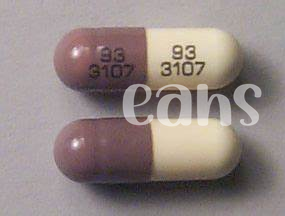
Every child's body processes medicines differently, so dosing must reflect age and weight rather than guesswork. Parents should think of weight as the map that guides a safe prescription and avoid using adult doses or fixed spoonfuls handed down from others.
A common approach uses milligrams per kilogram: mild infections often require about 20–40 mg/kg/day, while typical pediatric regimens fall between 30–50 mg/kg/day divided into two or three doses. For certain infections clinicians may recommend higher dosing; always check the prescribed amount for amoxicillin.
Measure liquid medicine with an oral syringe and record doses by time and amount; when in doubt, bring your child's weight to appointments so dosing can be recalculated. Seek urgent care for high fever, rash, swelling, or persistent vomiting. Keep the full course even if symptoms improve to prevent recurrence and resistance and call your clinician.
Recognizing Side Effects: When to Seek Help
One evening you notice your child is fussier than usual after taking amoxicillin: a few loose stools and a small rash on the trunk. Mild nausea, diarrhea, or an itchy, localized rash are common and often pass without stopping the antibiotic. Keep a simple symptom diary and check for improvement over 24 to 48 hours.
Seek medical care immediately if your child develops hives, facial swelling, wheezing, persistent high fever, severe vomiting, or bloody diarrhea; these can signal an allergic reaction or serious complication. Also contact your pediatrician if symptoms suddenly worsen or new concerning signs appear, such as yellowing skin or decreased urine output.
For mild reactions, fluids, rest and treating fever as advised plus a call to your provider are often sufficient. Never restart amoxicillin after a severe allergic reaction without specialist advice; bring medication details to appointments.
Administration Tips: Making Amoxicillin Doses Kid-friendly
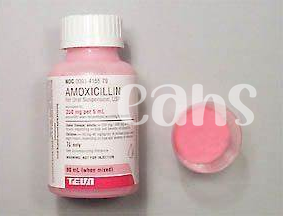
As you tuck your child into bed, measure each amoxicillin dose precisely with an oral syringe—not a kitchen spoon—and shake suspensions well. Offer a snack or milk to reduce stomach upset, explain the medicine as a brave helper, and set timers so doses stay scheduled.
Store the liquid as directed—refrigerate if required and discard after the labeled period; warm a syringe briefly to comfort your child. Always finish the full amoxicillin course, avoid double doses, report rashes or breathing trouble immediately, and reward cooperation to make medicine time less stressful.
Antibiotic Resistance: Avoiding Unnecessary Amoxicillin Use
A concerned parent watches fever fade and worries about future infections; stewardship matters when choosing amoxicillin for kids every time.
Antibiotics save lives but overuse breeds resistant bacteria; insist on diagnosis, ask about alternatives, and avoid pressure for prescriptions unnecessary.
| Avoid | Reason |
|---|---|
| Viral | Ineffective |
| Allergy | Danger |
If a doctor prescribes amoxicillin, follow dose and duration precisely; stopping early can encourage resistance and reduce future treatment options for children.
Keep record of past antibiotics, report side effects, complete courses, and discuss preventive steps like vaccines to minimize infections needing amoxicillin now.
Questions to Ask Your Pediatrician before Prescribing
When your child looks up with a worried face, you deserve clear answers about any medication. Start by asking why this antibiotic is recommended, whether the diagnosis is bacterial, and what alternatives exist.
Clarify the exact dose, how it's calculated from weight, and how long the course should run. Ask about side effects to watch for and which reactions demand immediate attention.
Discuss how the medicine interacts with other drugs, allergies, or chronic conditions your child has. Confirm whether taste-masked liquids or capsules are available and how to store them.
Request written instructions and a follow-up plan to reassess need for treatment. Knowing these details turns a stressful visit into confident care. Do ask again.