
To Buy Albenza Online Visit Our Pharmacy ↓
 Albenza for Tapeworms: Effectiveness and Evidence
How Albenza Works: Inside Tapeworm Biology and Drug Action
Imagine a ribbon of tissue clinging to the gut wall, silently siphoning nutrients while its cells bustle with microtubules and glucose transporters. Albenza exploits that dependence: its active metabolite reaches the parasite and targets structures that keep cells organized and metabolic machinery running, setting the stage for collapse.
At the molecular level albendazole is converted in the liver to albendazole sulfoxide, which binds parasite beta‑tubulin and prevents microtubule polymerization. Disrupted microtubules impair intracellular transport and glucose uptake, causing glycogen depletion, energy failure, immobilization and ultimately death of worm tissues.
Clinical consequences depend on species and life stage: intestinal adults may be expelled faster, while tissue cysts require longer courses for degeneration. The drug’s action weakens parasites and exposes antigens to the host immune system, so therapeutic success often combines direct killing with immune clearance and reduces transmission risk in communities.
Evidence Review: Clinical Trials and Success Rates Compared
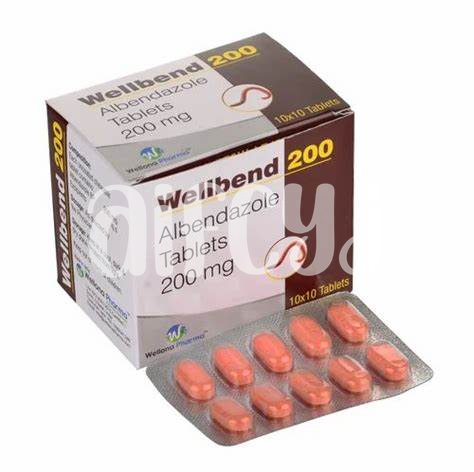
Randomized and observational studies compared regimens, measuring tapeworm clearance, symptom relief, and recurrence. Results often favored shorter courses with measurable parasitic eradication in clinical settings.
Meta-analyses highlighted variable success rates across species and doses, yet several reports consistently documented high cure percentages after albenza treatment.
Study limitations, including small cohorts, differing diagnostics, and short follow-up durations, temper enthusiasm. Still, aggregated data suggest meaningful effectiveness, especially for intestinal tapeworm infections overall.
Clinicians weigh evidence, patient factors, and species identification when choosing therapy; ongoing research refines dosing and reliably predicts long-term outcomes.
Safety Profile: Side Effects, Warnings, Interactions Explained
A person recalls the rattling anxiety before treatment, and the clinician explains how albenza targets parasite energy processes. Understanding mechanism helps ease fear and carefully set realistic expectations.
Common side effects are mild: nausea, headache, and abdominal discomfort. Serious reactions are rare but warrant prompt medical attention, especially of concern in patients with liver disease or pregnancy.
Drug interactions matter: albendazole can interact with anticonvulsants and certain antacids, altering effectiveness. Clinicians review all medications to avoid reduced efficacy or increased toxicity during therapy and adjust doses.
Monitoring includes baseline liver tests and blood counts; follow-up ensures the parasite clears and adverse effects resolve. Open communication and reporting symptoms quickly improve outcomes and safety of treatment.
Real Patient Stories: Outcomes and Treatment Experiences
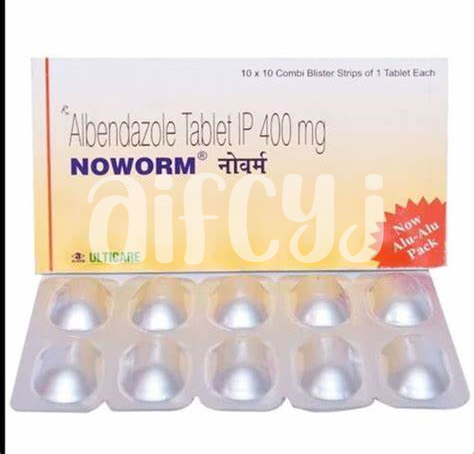
A young traveler felt sudden abdominal discomfort and unexplained weight loss; stool testing revealed a tapeworm and the clinician prescribed albenza. The patient described relief starting within days, relieved but anxious about transmission to family.
Side effects were mild for most: transient nausea, headache, or fatigue reported during the short course. One patient noted dizziness requiring rest; clinicians emphasized hydration and reporting severe reactions immediately and follow-up testing for safe monitoring.
Follow-up testing often confirmed eradication within weeks; many patients reported appetite return and weight stabilization. A minority required repeat dosing when eggs persisted, and clinicians balanced risks before recommending additional courses and ongoing patient education.
Patients emphasized adherence to the prescribed schedule, avoiding alcohol and sharing utensils until cleared. Support groups and clear instructions reduced stigma; anyone with recurrent symptoms was urged to contact their provider promptly for evaluation.
When Albenza Is Recommended: Indications and Alternatives
A worried traveler recalled finding segments in stool and sought advice — clinicians often recommend albenza (albendazole) for certain tapeworm infections like neurocysticercosis and hydatid disease when cystic forms are present, or as part of combination therapy for intestinal taeniasis. Choice depends on species, cyst location, and symptom severity; imaging and stool studies guide that decision.
When antihelminthic therapy is contraindicated or insufficient, praziquantel is the usual alternative for taeniasis, while surgery and long-term antiparasitic regimens may suit complex cystic disease. Shared decision-making weighs pregnancy, liver disease, drug interactions, and need for corticosteroids to manage inflammatory responses. Follow-up testing confirms eradication and reduces relapse risk. Local resistance patterns and access to medicines also shape choices clinically.
| Option | Typical use |
|---|---|
| Albenza | Albendazole for cystic disease |
| Praziquantel | Intestinal taeniasis |
Practical Tips: Preparing, Monitoring, and Ensuring Treatment Success
Before starting treatment, imagine lining up a few small but essential checks: discuss allergies and current medications with your clinician, obtain baseline liver tests and blood counts, and plan to take the medication with a fatty meal to improve absorption unless told otherwise. Keep a calendar for doses and set reminders to avoid missed pills—consistency is a simple pillar of success.
After treatment, schedule follow up stool tests and repeat bloodwork as recommended; report new symptoms like jaundice or persistent gastrointestinal distress promptly. Reinforce hygiene habits, handwashing, careful food handling, and treating close contacts if advised to prevent reinfection. Successful therapy combines medication adherence, clinician monitoring, and simple precautions that protect you and your household.