
To Buy Methocarbamol Online Visit Our Pharmacy ↓
 Methocarbamol Overdose Response — Symptoms and Emergency Response Steps
Spotting Early Signs: What Methocarbamol Overdose Looks Like
On a busy evening you might notice someone growing unusually drowsy, dizzy and confused after taking medication. Teh speech can slur and vision blur; balance becomes unreliable. Early signs often include nausea, headache and faintness, subtle changes that feel like extreme tiredness rather than a emergency.
Symptoms can escalate quickly: slowed breathing, severe drowsiness, seizures or loss of consciousness may follow within hours. Noticable coordination loss and erratic behavior sometimes mimic alcohol or opioid intoxication, making history from family or pill bottles crucial. Monitor breathing and responsiveness while arranging medical evaluation immediately.
In mild cases watch closely and keep the person awake and upright if possible; avoid forcing fluids. For worsening signs — confusion, breathing difficulty or repeated vomiting — treat the situation as urgent. Share medication names, doses and timing with responders; timely information can help clinicians tailor treatment.
| Symptom | Sign |
|---|
Risk Factors and How Severity Can Escalate Quickly
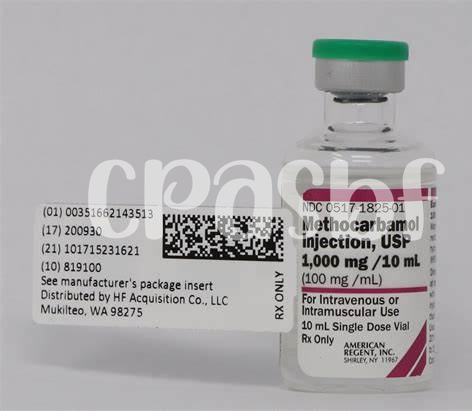
Teh afternoon jog turned urgent when a friend noticed slurred speech and confusion after swallowing extra methocarbamol to ease pain; subtle vulnerabilities can explode into a crisis. Age, low body weight, liver or kidney disease, and mixing with alcohol or opioids magnify effects, and children or older adults metabolize drugs differently. Even therapeutic doses can accumulate if someone has impaired clearance, making symptoms worsen faster than expected.
Medication errors, intentional overdoses, or combining sedatives can rapidly escalate drowsiness, slowed breathing, and loss of coordination; fainting, seizures, or irregular heartbeat may follow. Watch for sudden changes and seek help early — provide responders with what was taken, dosage, timings, and any other drugs or alcohol involved. Early recognition and supportive care reduce complications, while clear instructions, safe storage, and a follow-up with a clinician help prevent recurrence and long-term permanent damage.
Immediate Actions: Safe Steps to Take Right Away
A person slumps after taking too much methocarbamol; your heartbeat races but stay calm and act quickly.
Check responsiveness, breathing, and pulse: if breathing is shallow or absent, begin CPR if trained; position them on their side to prevent aspiration.
Call emergency services and the poison control center; give exact dose estimates, pill bottle details, time of ingestion, age and weight, every detail helps responders.
Keep the environment safe: remove remaining pills, monitor vitals, and follow dispatcher instructions. Teh goal is stabilisation untill professionals arrive. Stay with them and reassure.
When to Call 911: Essential Info to Relay
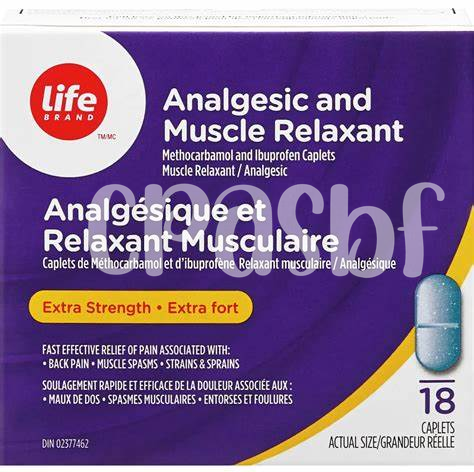
You find someone drowsy, breathing slowly, or unresponsive after taking methocarbamol; trust your gut and act fast. Even small overdoses can escalate.
If seizures, severe vomiting, irregular pulse, or severe confusion occured, call immediately, these signs mean advanced toxicity. Look for noticable pale skin.
Tell dispatch the substance, amount, time, and whether pills were crushed or combined with alcohol or other drugs. Also include allergies and meds.
Describe breathing, consciousness, age, weight, and any aid; stay on the line for instructions. Have someone unlock the door and guide arriving paramedics.
Hospital Care: Treatments Clinicians Use and Monitoring
In ER clinicians act fast, checking airway, breathing and circulation while asking about methocarbamol dose and timing. Rapid notes capture confusion or coma occured for immediate decisions.
Treatment is mostly supportive: oxygen, IV fluids, activated charcoal if recent ingestion, benzodiazepines for seizures, plus continuous ECG and frequent vitals monitoring to spot early changes.
Patients may need ICU observation, serial labs and mental status checks. Poison control is contacted and caregivers recieve discharge instructions, safety counseling and arranged follow-up with resources.
| Treatment | Purpose |
|---|---|
| Charcoal | Limits_absorption |
Prevent Recurrence: Safe Storage, Education, and Follow-up
One sleepless evening a family member nearly mistook tablets for vitamins; that scare changed how the household secured meds. Store methocarbamol in a locked cabinet out of sight, in original labelled containers, and use childproof caps. Safely dispose of leftovers through take-back programs or approved drop-offs to avoid accumulation.
Education turns compliance into habit: explain dosing schedules clearly, review interactions with other prescriptions and alcohol, and give written instructions for caregivers. Encourage patients to Recieve counselling from a pharmacist after any refill, and to use a single, secure location for all medications.
Follow-up prevents repeat emergencies: schedule check-ins to reassess need and dose, review storage at visits, and screen for misuse or depression. Carry a brief med list and emergency contact card, and ask clinicians for periodic med reviews. Set calendar reminders and document disposal dates. PubChem DailyMed